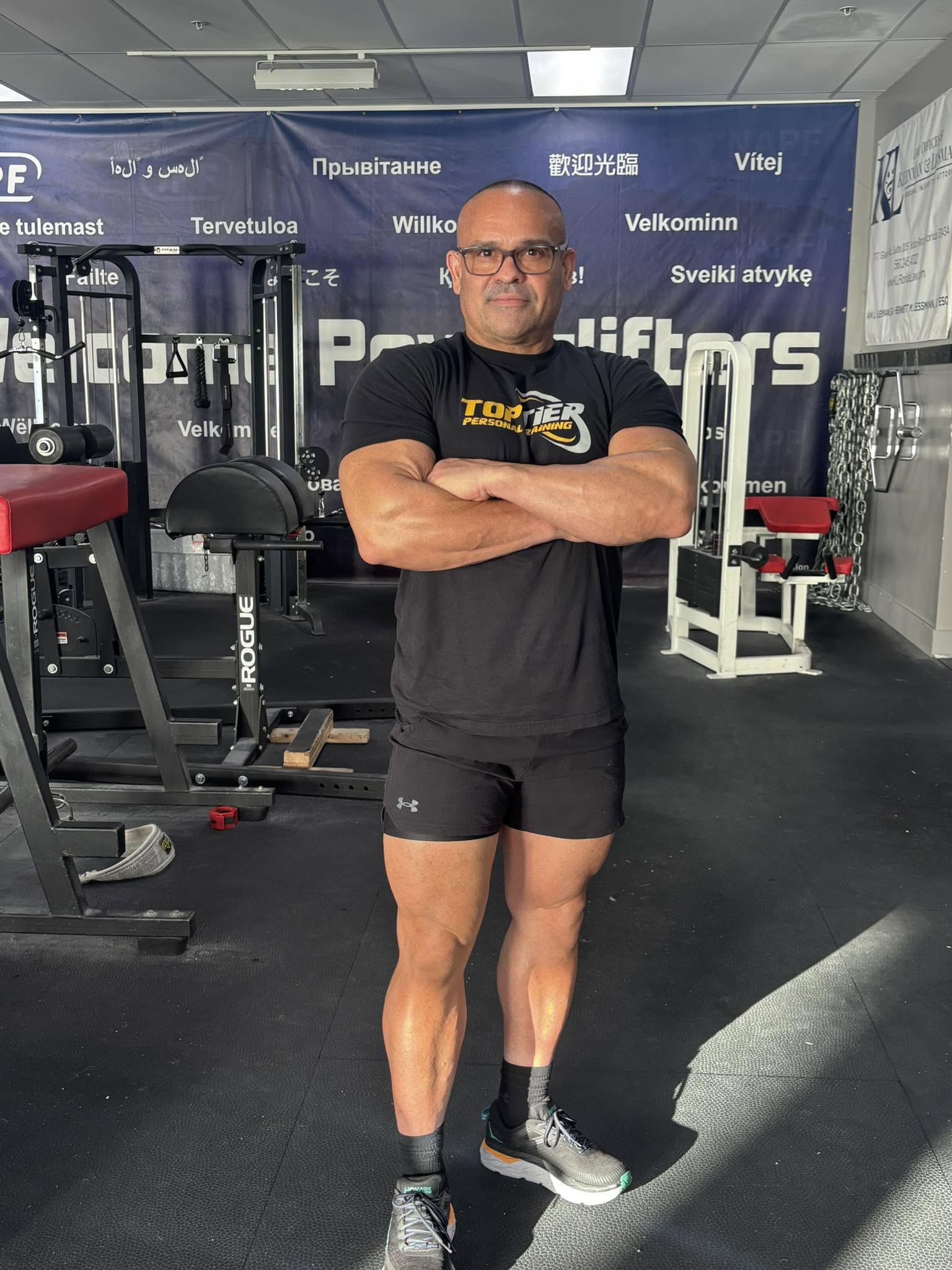

One of the biggest patterns I’ve noticed while working with adults over 60 is what I call the turning point.
It is the difference between being proactive with your health versus becoming reactive after physical decline has already accelerated.
This turning point often determines whether someone can dramatically improve their strength, balance, mobility, and independence — or whether they spend later years trying to recover from years of accumulated decline.
As a personal trainer specializing in fitness over 50, I consistently see major differences between adults in their late 60s to early 70s compared to those entering their late 70s and 80s.
The earlier group is often still highly adaptable.
The later group is often fighting to regain lost function.
That distinction changes everything.
Proactive Aging vs Reactive Aging
One of the clearest patterns I observe in senior fitness and longevity training is this:
| Proactive Phase | Reactive Phase |
|---|---|
| Late 50s to early 70s | Late 70s into 80s |
| Early balance deficits | Established instability |
| Mild sarcopenia | Significant muscle loss |
| Preserved nervous system adaptability | Reduced neuroplasticity |
| Strength still recoverable rapidly | Recovery slower and incomplete |
| Fear of movement is lower | Fear of falling becomes dominant |
| Independence mostly intact | Independence often threatened |
This is not simply about age.
It is about preserving physical function before major decline becomes deeply established.
The Late 60s: The Real “Use It Or Lose It” Phase
One of the strongest observations I’ve made over the years is that the late 60s often become the true turning point of aging.
This is where many adults begin separating into two very different paths.
One path continues building:
- strength,
- balance,
- mobility,
- confidence,
- and independence.
The other path begins accelerating toward:
- inactivity,
- instability,
- muscle loss,
- fear of movement,
- and declining physical function.
This is why I often refer to the late 60s as the “use it or lose it” phase of life.
At this stage, the body is still highly capable of adaptation when challenged properly.
However, inactivity begins accelerating decline much faster.
Adults who continue strength training, improving balance, staying mobile, and challenging their bodies intelligently often maintain dramatically higher quality of life later into their 70s and 80s.
Those who stop moving frequently begin losing physical reserve at a much faster rate.
The body responds to demand.
If movement disappears, function slowly disappears with it.
Why Balance Issues Should Never Be Ignored
One of the earliest warning signs of accelerated aging is declining balance.
Many adults over 60 begin noticing:
- reduced stability,
- slower reaction time,
- hesitation during movement,
- difficulty recovering from slips,
- or less confidence walking on uneven surfaces.
These early balance deficits are often the beginning stages of neurological and muscular decline.
The good news is that balance can often improve dramatically when addressed early through:
- strength training,
- mobility work,
- coordination drills,
- stability training,
- and progressive resistance exercise.
The body remains highly adaptable during this proactive phase.
The reactive phase is still adaptable as well, however balance and strength typically take longer to restore. At that point, one truly has to want it.
Sarcopenia: The Silent Muscle Loss Accelerating Aging
One of the biggest contributors to aging decline is sarcopenia — the age-related loss of muscle mass and strength.
Most adults begin losing muscle progressively after age 30, but the process accelerates significantly after 50 and progressively speeds up into the 60s and beyond.
Without proper strength training, adults over 60 often experience:
- reduced metabolism,
- weakness,
- instability,
- poor posture,
- joint stress,
- reduced mobility,
- and increased fall risk.
This is one reason strength training for adults over 60 is so important.
Muscle is not just about aesthetics.
Muscle is protection.
It protects:
- joints,
- balance,
- bone density,
- movement quality,
- and long-term independence.
The Nervous System Plays A Bigger Role Than Most People Realize
One of the most overlooked aspects of healthy aging is the nervous system.
Adults in their 60s and early 70s often still maintain a strong degree of neuroplasticity — the brain and nervous system’s ability to adapt and improve.
This is why many adults can still:
- rebuild strength,
- improve coordination,
- regain balance,
- and dramatically improve mobility later in life.
However, as decline progresses into the late 70s and 80s, neurological adaptability often slows significantly.
Reaction time decreases.
Movement confidence declines.
Fear of falling becomes more dominant.
At this stage, recovery becomes slower and often incomplete.
The Fear Of Falling Changes Everything
One of the biggest differences between proactive aging and reactive aging is psychological.
In the proactive phase, most adults still trust their movement.
In the reactive phase, fear often becomes dominant.
Fear of:
- falling,
- instability,
- injury,
- or loss of independence
can dramatically reduce activity levels.
Unfortunately, inactivity accelerates decline even further.
This creates a dangerous cycle:
less movement → more weakness → more instability → more fear.
Breaking that cycle early is critical for healthy aging.
Why Strength Training Over 60 Is Essential For Longevity
Many adults mistakenly believe aging means they should exercise less.
The opposite is usually true.
Proper strength training after 60 can help:
- preserve muscle mass,
- improve balance,
- reduce fall risk,
- improve bone density,
- enhance coordination,
- support joint health,
- improve mobility,
- and maintain independence.
The goal is not simply exercising for appearance.
The goal is maintaining function and quality of life.
Functional Fitness Is The Future Of Healthy Aging
True longevity is not just about living longer.
It is about maintaining:
- strength,
- mobility,
- confidence,
- independence,
- and physical capability.
This is why proactive fitness matters so much.
The earlier adults begin improving:
- balance,
- muscle mass,
- coordination,
- movement quality,
- and overall strength,
the greater their long-term quality of life becomes.
What I have also found is that many adults are not necessarily incapable of movement — they have simply accumulated years of poor movement patterns, compensation, inactivity, instability, and loss of confidence in their bodies. This is where corrective exercise, balance training, mobility work, and intelligent strength programming become extremely important. When movement quality improves, people often regain far more stability, confidence, coordination, and physical capability than they thought possible. The body still has an incredible ability to adapt, especially when dysfunction is addressed before major decline becomes deeply established.
Performance. Aesthetics. Longevity.
Fitness after 60 should not revolve around fear or limitation.
It should focus on building a body that remains:
- strong,
- capable,
- resilient,
- and functional for decades to come.
The turning point is real.
The good news is that many adults still have far more ability to improve than they realize — especially when they take action before decline becomes deeply established.
The goal is not simply living longer.
The goal is maintaining the ability to truly live.
Disclaimer:
The information provided on this blog is intended for general informational and educational purposes only and is not a substitute for professional medical advice, diagnosis, or treatment. While I am a certified personal trainer, I am not a licensed healthcare provider and cannot diagnose or treat medical conditions. Always consult with your physician or a qualified health professional before beginning any new exercise, nutrition, or wellness program. Use of the information contained on this site is at your own risk.